Share this article
Blog2026-08-28
10 Reasons to Visit Copenhagen This September
Written by:
GetWhy
This September, GetWhy is hosting its annual Summit in Copenhagen. GetWhy Summit 2026 brings together research, marketing, and innovation leaders to explore how AI is transforming the way enterprises listen, learn, and act on human understanding. Across keynotes, customer cases, product showcases, and executive conversations, the summit examines the rise of agentic research and the shift from slow, fragmented workflows to AI-powered insight that is faster, deeper, and built for enterprise impact. If you're joining us, here are 10 reasons why it's the best time of year to visit.
1. The Best Time of Year for Weather
September is Copenhagen's sweet spot: highs around 17°C (63°F), lows around 13°C (55°F), and none of the biting wind that shows up by November. It's early autumn, so you'll still get the odd shower, but far more golden-light afternoons than gray ones. Pack layers and a light jacket so you're ready for both.
2. The Light is Unbeatable for the Canals
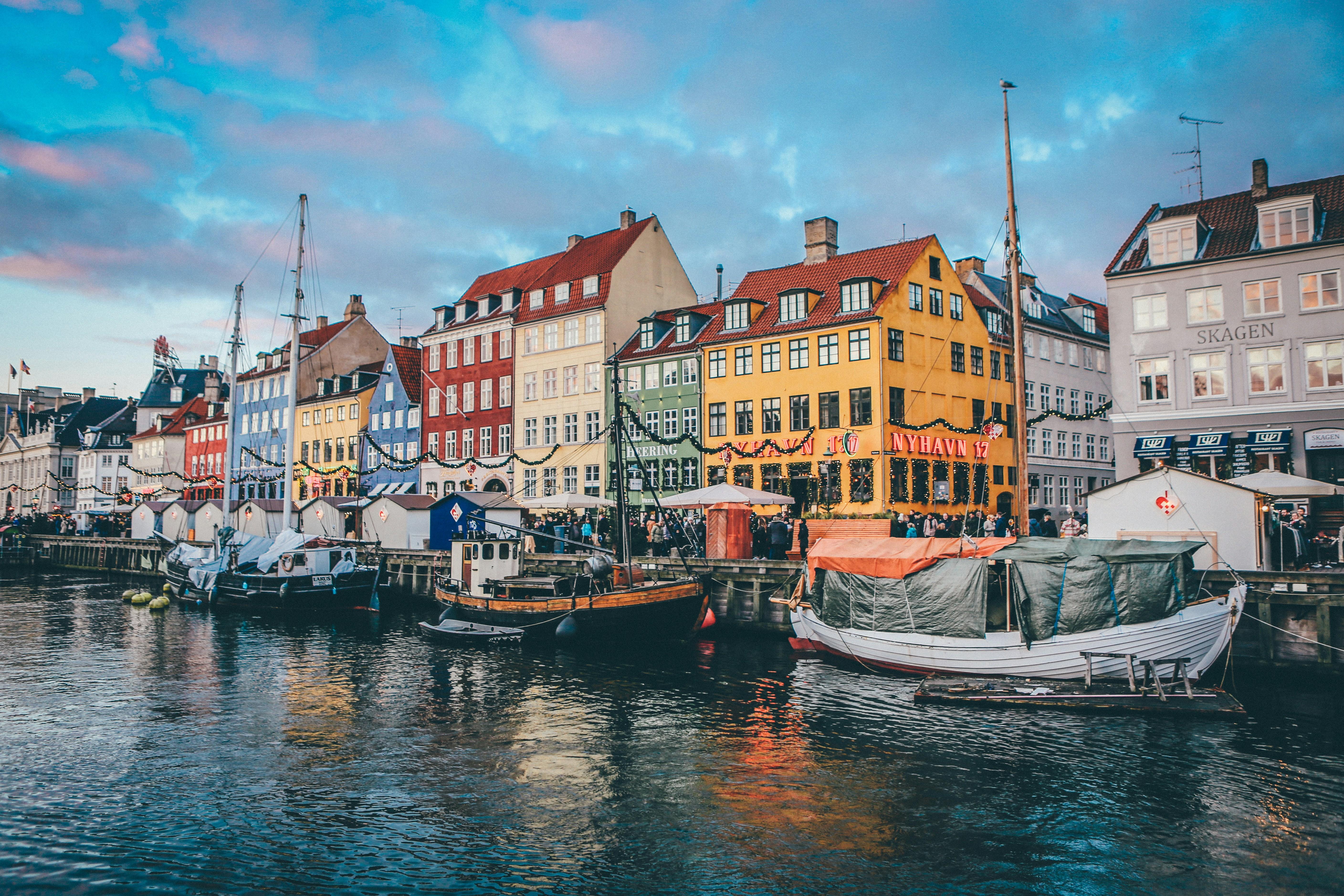
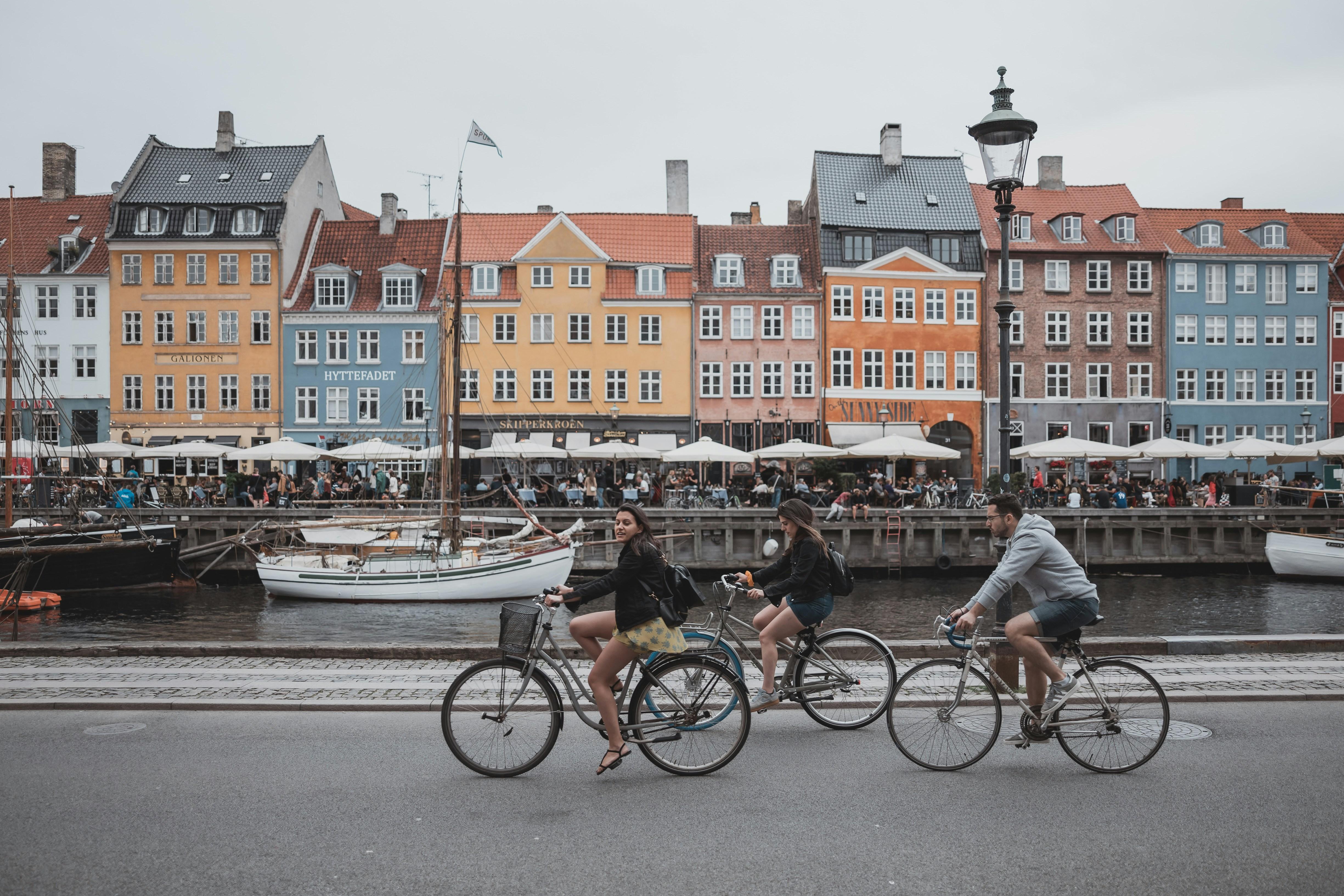
That same golden September light turns the water along Nyhavn and Christianshavn into a near-perfect mirror for the city's colorful townhouses and copper spires. A canal tour from Nyhavn or Gammel Strand is a great use of an hour.
3. Castles for Every Kind of Visit
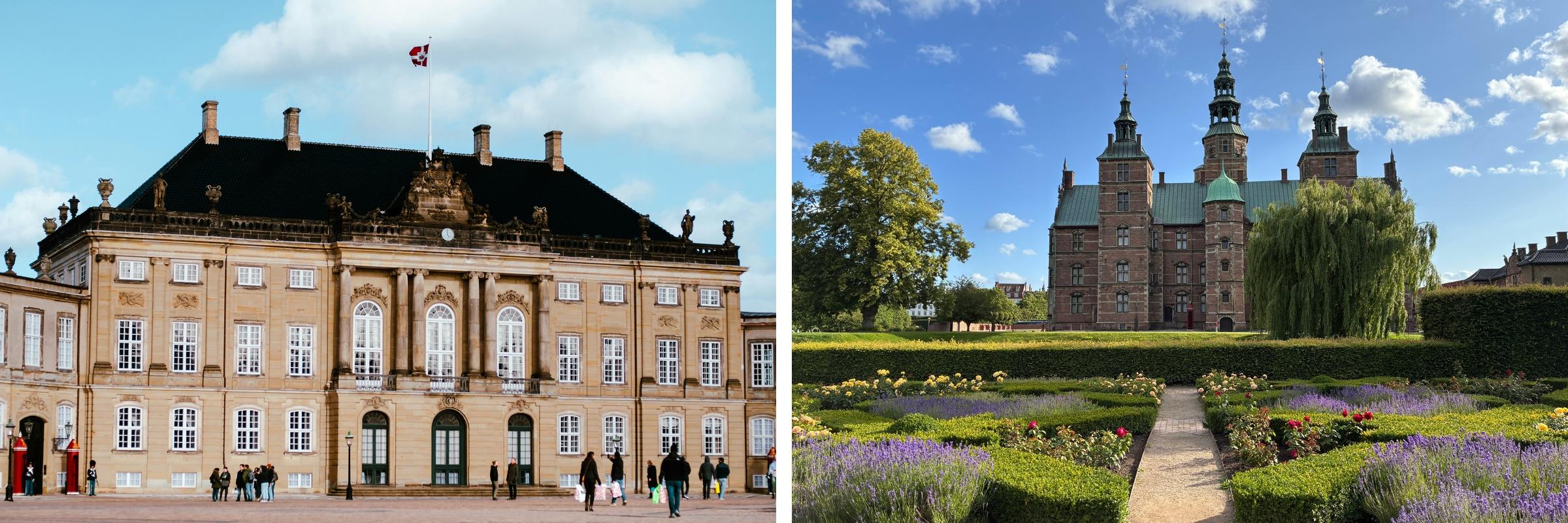
Copenhagen makes it easy to work royal history into a short trip. In the city center, Rosenborg Castle (built by Christian IV in the 1600s) holds the Danish crown jewels and the Knights' Hall, with its coronation thrones and life-size silver lions. Christiansborg Palace mixes the seat of Danish government with royal reception rooms and ruins beneath the building you can tour. Amalienborg, the royal family's working winter residence, hosts the Royal Life Guard's daily noon march through the streets. Rosenborg, Christiansborg, and Amalienborg can all be covered on foot or by bike in a single day. If you have more time, Frederiksborg Castle in Hillerød (about 35 minutes by train) and Kronborg Castle in Helsingør (about 40 minutes, and the real-life setting for Shakespeare's Hamlet) are worth the half-day trip each.
4. A Ski Slope on Top of a Power Plant
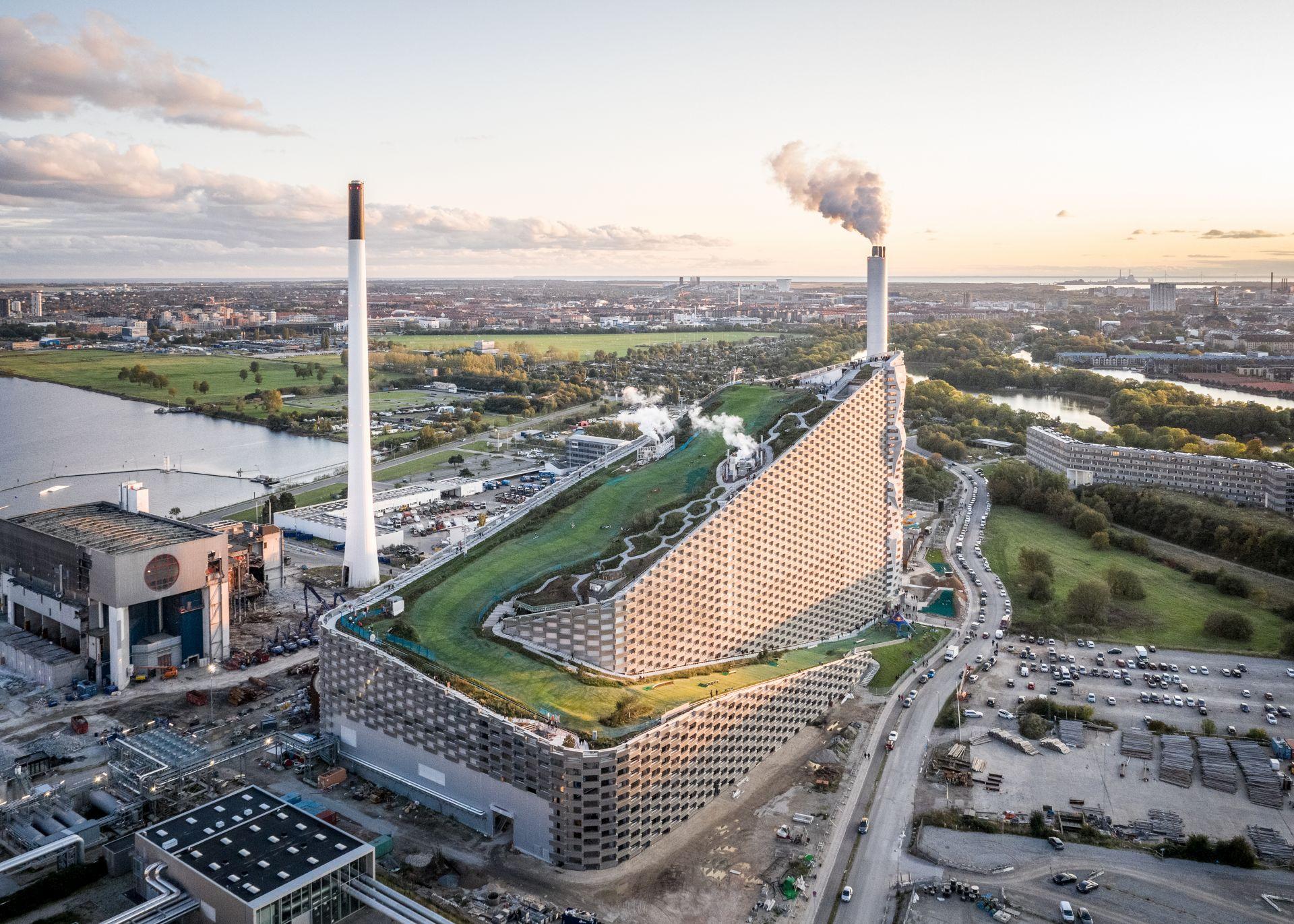
CopenHill is the kind of thing that sums up Copenhagen's approach to sustainability: a working waste-to-energy plant with a year-round artificial ski and snowboard slope, a hiking and running trail, and the world's tallest artificial climbing wall built into its façade. You don't need to ski to visit: the walking trail and rooftop bar alone are worth the trip for panoramic views over the city and harbor, and it's open regardless of season, so it's a solid pick even during a busy conference week.
5. It's One of the Best Cities on Earth to Bike
Copenhagen has more bikes than people and the infrastructure to match. September's mild temperatures make it the most comfortable stretch of the year to use it: rent one and you'll cover more ground, faster, than you would on foot or in a taxi.
6. The Food and Café Scene Punches Way Above its Weight
Copenhagen has one of the highest concentrations of Michelin-starred restaurants per capita in the world, alongside a serious casual food-hall and street-food scene at places like Reffen and Torvehallerne. There's also no shortage of cozy cafes for a slower coffee or pastry break between meetings. Whatever your budget, you eat well here.
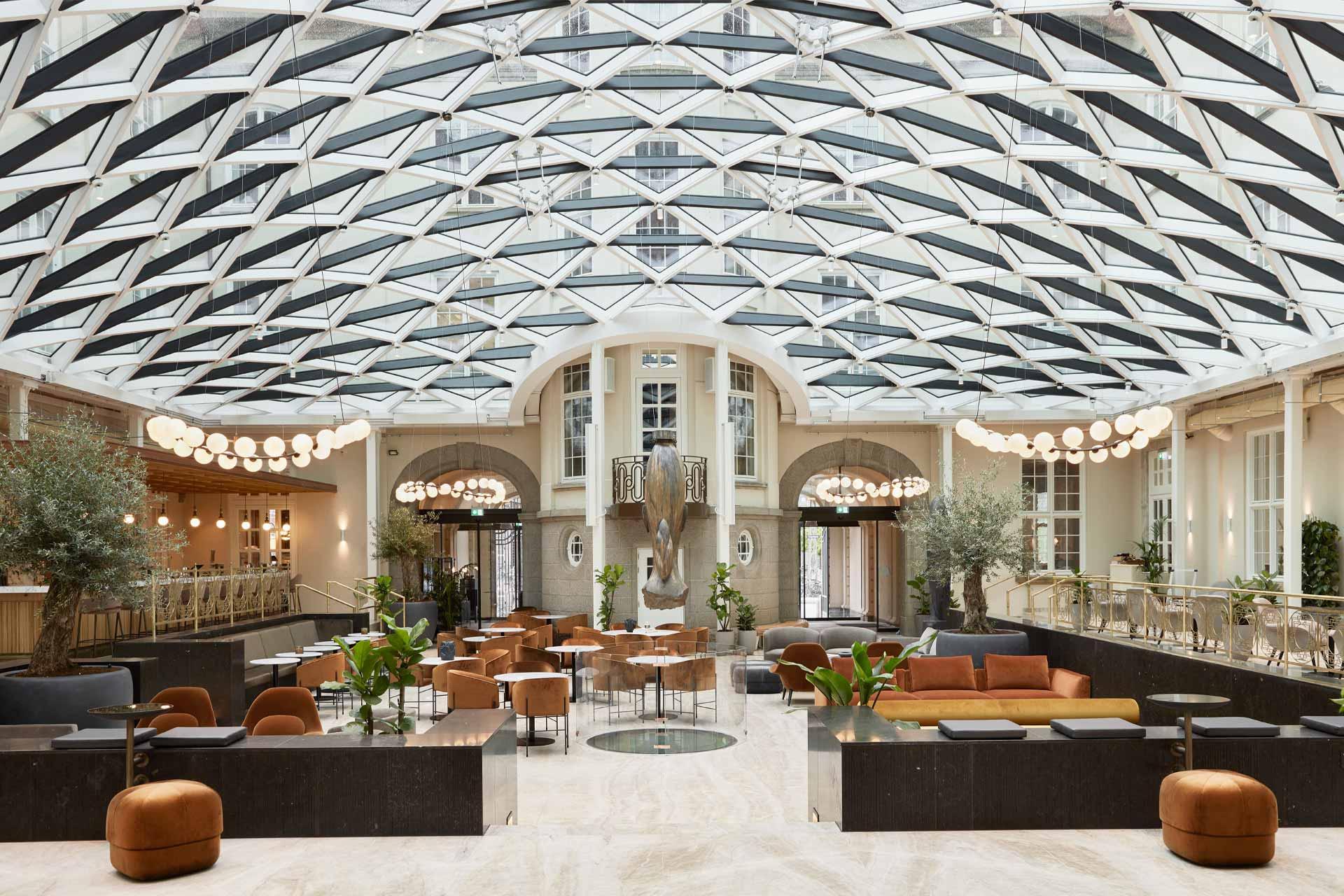
Right in the hotel, Rug Bakery is worth a stop for sourdough and pastries in the morning, then shifts into sourdough pizzas and cocktails by evening. A short walk down Vesterbrogade, Bloom Vesterbro and Maple Casual Dining both offer elevated tasting menus in a relaxed setting, ideal for a client dinner without the formality of a full fine-dining experience. For something quicker, Smagsløget does generous, well-loved sandwiches just a few minutes from the hotel, and ORSA Coffee is a solid coffee stop if you need a break between sessions. If you'd rather stay inside Tivoli Gardens (directly across the street), Grøften serves classic Danish fare, including smørrebrød, in one of the city's most scenic settings.
For those with an extra evening to spend, Copenhagen's Michelin scene is worth the slightly longer trip: Noma, Alchemist, and Geranium are among the most celebrated restaurants in the world, though all require reservations booked well in advance and a short taxi ride from the hotel.
7. A Museum for Every Interest
Copenhagen's museum scene punches well above a city its size. SMK, the National Gallery of Denmark, and the National Museum of Denmark are both publicly funded and free to enter. Ny Carlsberg Glyptotek, with its impressionist collection and winter garden, is free every Tuesday and otherwise a modest 95 DKK. Design Museum Denmark is worth the visit for anyone curious about the furniture and objects that shaped Danish style. If you have half a day to spare, the Louisiana Museum of Modern Art in Humlebæk (about 35 minutes by train) pairs a strong contemporary art collection with a setting overlooking the Øresund strait.
8. It’s a Genuinely Walkable, Human-Scaled City
Copenhagen is a world leader in urban walkability, holding a 90% walkability score. Its compact, flat layout and strict pedestrian-first design make it incredibly easy to navigate. Copenhagen's center is compact enough that most of what you'd want to see (Nyhavn, the Round Tower, the Little Mermaid) is within a comfortable walk or short bike ride of most hotels.
9. It’s an Easy Jumping-Off Point for the Rest of the Nordics
If you're already crossing an ocean, Copenhagen makes it simple to bolt on a couple of extra days in Malmö, Gothenburg, or even Stockholm, all a short train or flight away. Malmö sits just across the Øresund Bridge, roughly 35 minutes by train, making it an easy half-day trip or overnight add-on. Gothenburg is about a 3-hour direct train ride, ideal for those wanting a slower coastal city with a distinctly different feel from Copenhagen. Stockholm is a bit farther, around 5 hours by train or just over an hour by air, but well worth it if you have a few extra days to spare. For anyone attending the Summit, it's worth turning the trip into more than a single stop.
10. Tivoli Gardens, Minus the Summer Crowds
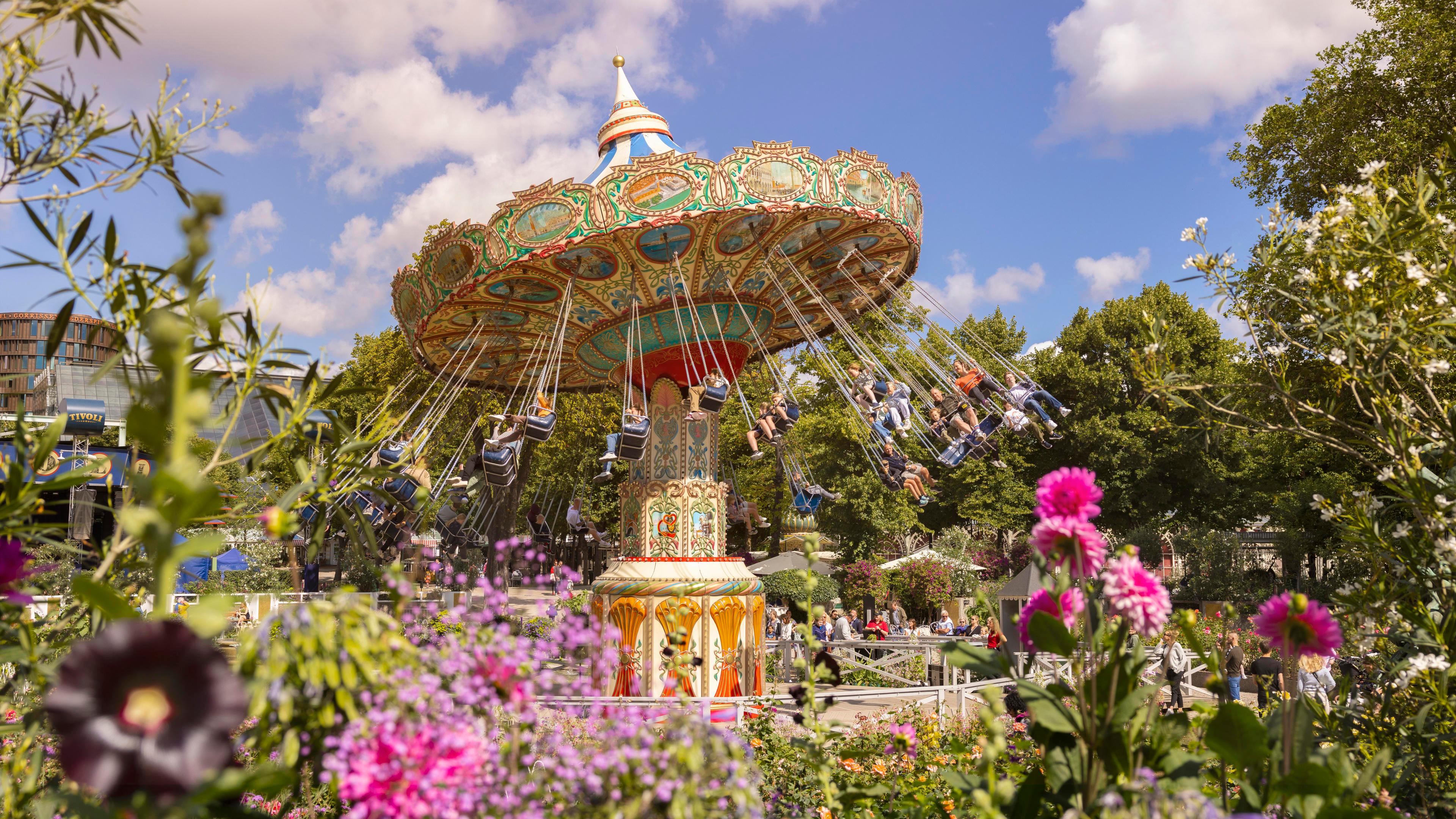
Tivoli Gardens is one of the world's oldest amusement parks, and its 2026 summer season runs through September 20 with daily hours from 11:00 to 23:00, so a September visit puts you at the tail end of the season with far shorter lines than peak summer. Wander the gardens, ride the 1914 wooden roller coaster Rutschebanen or the Star Flyer swing carousel for skyline views, and catch a free concert on one of the open-air stages. Food options range from casual stalls to sit-down restaurants, including some of the city's most storied kitchens. Come evening, the lights turn the gardens into one of Copenhagen's best spots to unwind after a long conference day.
RSVP for the GetWhy Summit this September 17 in Copenhagen.

